
Hurt Is Inevitable, but Holding on to Hurt is a Choice
- 5 days ago
- 4 min read
There are moments in life that split us open. A word spoken in anger. A betrayal we never saw coming. A silence where love should have been. Hurt arrives uninvited, and no matter how wise, spiritual, or self‑aware we become, we cannot outrun the truth: being hurt is inevitable.
But what we do with that hurt, how long we hold it, how tightly we grip it, how deeply we let it shape us, that part is a choice. And it is one of the most defining choices of our lives.

Anger and bitterness
Anger is often the first thing we feel. It rises like a flame, fierce and protective, telling us something sacred was violated. Anger is not the enemy. It is a signal. But it was never meant to be a home. When anger is left unattended, it calcifies into bitterness, and bitterness is where the soul begins to freeze.
Bitterness feels powerful at first. It feels like armour. It convinces us we are safer behind its walls. But bitterness is deceptive. It doesn’t protect us; it imprisons us. It keeps us tied to the exact moment we were wounded, replaying the scene again and again until we are living more in the memory of the hurt than in the reality of our life.
Forgiveness and what it is not
And before we can even begin to talk about forgiveness, we need to clear away the misconceptions that make forgiveness feel unsafe for many.
Forgiveness is not pretending the hurt didn’t happen. It is not excusing the behaviour, minimising the wound, or letting someone bypass accountability. Forgiveness is not reconciliation that requires two willing hearts, and sometimes the safest, wisest thing you can do is love someone from a distance. Forgiveness is not trust; trust is rebuilt through consistent action, not emotion. And forgiveness is not forgetting. You don’t erase the memory, you simply refuse to let the memory control your life. Forgiveness is not weakness, nor is it surrender. It is the courageous act of saying, “This pain will not own me anymore.” It is a strength in its most spiritual form.
One of the most confronting truths is this: unforgiveness keeps us frozen in time.
Our body grows older, our circumstances change, but our emotional world remains anchored to the moment of impact. We become stuck in the version of ourselves that was hurt, unable to step into the version of ourselves that is healing.
And when we act from that frozen place, our choices shrink. We react instead of respond. We defend instead of discern. We push away the very things we long for connection, trust, softness because bitterness whispers that staying closed is safer than risking pain again.
But there is no win in bitterness. None.
Bitterness costs us more than the original wound ever did.
Forgiveness and what it is
Forgiveness, then, becomes the doorway back to ourselves. Not because the other person deserves it. Not because the pain wasn’t real. Not because we’re pretending it didn’t matter. Forgiveness is not forgetting. It is not reconciliation. It is not trust. It is not weakness.
Forgiveness is release. It is the moment you decide that your heart deserves freedom more than it deserves to be right.
It is the moment you stop letting the wound write the story of your life. Forgiveness is not a feeling. If we waited until we felt forgiving, we would stay stuck forever. Forgiveness is a decision, sometimes a trembling one, sometimes a repeated one, but always a decision made for the sake of your own peace.
And here is the deeper truth:
You don’t forgive because they deserve it.
You forgive because you deserve to be free.
You deserve to wake up without the weight of yesterday pressing on your chest.
You deserve to breathe without the tightness of resentment in your lungs.
You deserve to step into the future without dragging the past behind you.
Healing begins the moment you choose to loosen your grip on the hurt. It begins when you allow yourself to feel the anger without becoming it. It begins when you acknowledge the pain without worshipping it. It begins when you decide that your life is too sacred to be lived in emotional captivity.
Hurt will come, and that is the human condition. But healing will come too. That is the human possibility.
And every time you choose to release what tried to break you, you rise a little higher, soften a little deeper, and return a little more fully to the person you were always becoming and meant to be.

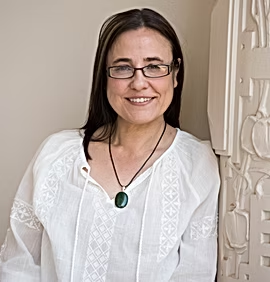
Carmela Pollock is based in Mornington, Victoria, where she operates a successful private practice offering dynamic, holistic services, including individual counselling and group workshops. She brings a compassionate approach to every service, assisting clients in discovering their blueprint by guiding them to explore their inner world, dismantle unhelpful patterns, and build a new, values-based foundation. She inspires clients to reach higher and find their own self-inspiration, supporting them until they confidently walk their own journey alone. If you want to know more about Carmela's services, visit 'Work With Me' services page.


Comments